Garage Floors (Epoxy & Coatings)
Transform your garage floor into a durable, easy-to-clean surface that resists stains and looks professionally finished.
Benefits of Garage Floor Coatings
Bare concrete garage floors absorb oil, grease, and automotive fluids. Stains become permanent and impossible to clean completely. Concrete dust comes off on your shoes and tracks into your home. The porous surface harbors dirt and makes the garage look dingy no matter how much you sweep. Tire marks leave black streaks that never come clean. These problems make your garage less pleasant to use and harder to maintain.
Epoxy and polyurethane coatings seal the concrete surface creating a smooth, impervious barrier. Liquids cannot penetrate so spills wipe up easily. Oil, antifreeze, and gasoline clean off completely without leaving stains. The sealed surface does not produce concrete dust. Sweeping and mopping become quick and effective. Your garage stays cleaner with less effort.
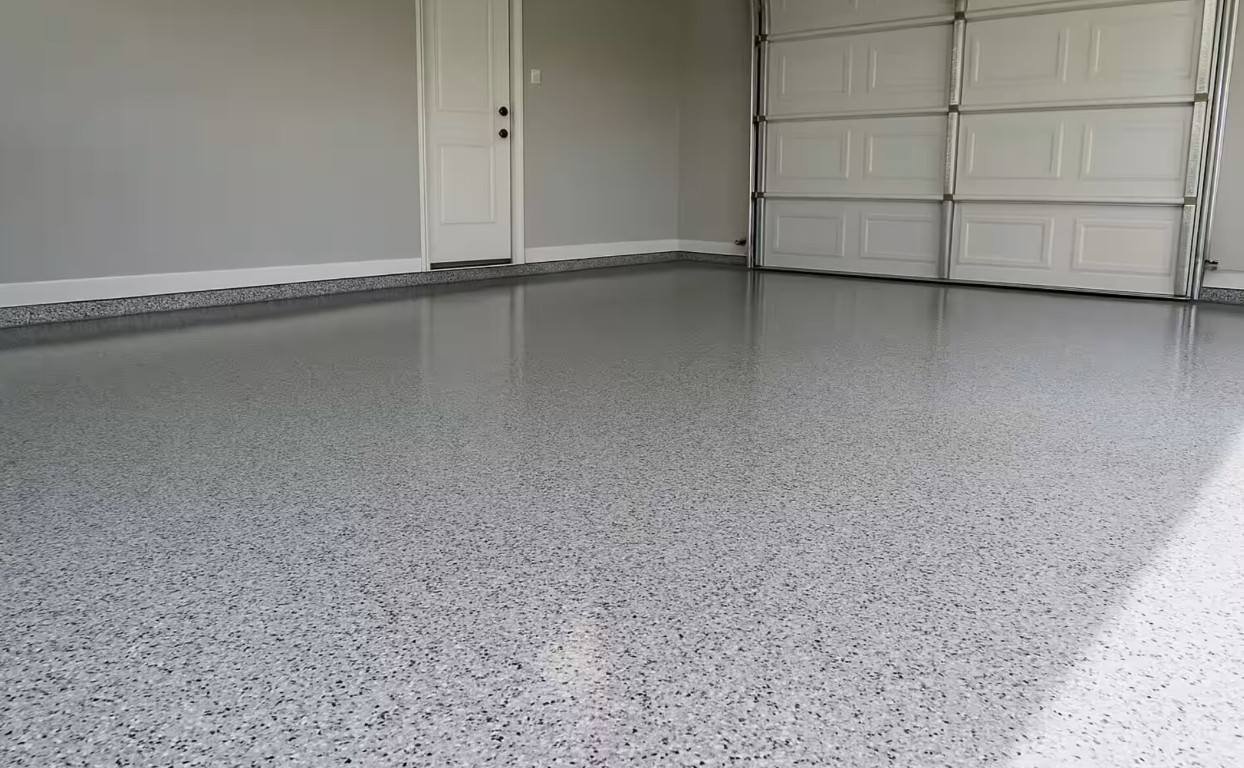
Coated floors dramatically improve garage appearance. The glossy finish brightens the space by reflecting light. Color choices let you create custom looks from subtle neutrals to bold statement colors. Decorative chips add texture and visual interest. The professional appearance makes your garage feel like finished living space rather than raw storage. Property values increase when garages have quality floor coatings.
Durability matters for garage floors that handle vehicle traffic, dropped tools, and heavy equipment. Quality epoxy and polyurethane coatings resist impact, abrasion, and chemical damage. They protect the concrete underneath from deterioration. Hot tires will not soften or mark the surface. The coating flexes slightly with concrete movement without cracking. Properly installed coatings last fifteen to twenty years with minimal maintenance in New Albany conditions.
Understanding Garage Floor Coating Options
Several coating systems work for garage floors. Each has characteristics that make it better for different situations and budgets. Understanding the options helps you choose what fits your needs and expectations.
Epoxy Coatings
Epoxy creates extremely durable floor coatings through chemical bonding with concrete. Two-part systems mix resin and hardener that react to form a hard, plastic-like surface. Epoxy bonds mechanically and chemically to properly prepared concrete creating excellent adhesion. The cured coating resists most chemicals, impacts, and abrasion better than other coating types.
Epoxy comes in various formulations for different applications. Standard solvent-based epoxy provides excellent performance at moderate cost. Water-based epoxy has lower odor during application and cleans up easier. High-solids epoxy contains more resin and less solvent for thicker coats and better durability. We use commercial-grade epoxy designed specifically for garage floors. These professional products outperform cheap consumer epoxy from home improvement stores.
Polyurethane Topcoats
Polyurethane topcoats go over epoxy base coats for enhanced protection. Polyurethane resists UV light better than epoxy so it will not yellow in sunny garages. The surface is slightly more flexible making it more resistant to scratching and scuffing. Hot tires will not mark polyurethane as easily as epoxy alone. Chemical resistance is excellent especially against automotive fluids and road salts.
The combination of epoxy base with polyurethane top coat provides the best overall performance. Epoxy bonds strongly to concrete while polyurethane protects the surface. This system costs more than epoxy alone but delivers superior long-term durability. Most commercial and industrial facilities use this combination because it performs best under demanding conditions.
Color and Decorative Options
Solid colors create clean, uniform appearance. Popular garage colors include various grays, tans, and beiges that hide dirt and complement most homes. Brighter colors like blue, red, or green make bold statements. Multiple colors can define different zones or create borders. The color you choose affects how bright your garage feels and how visible dirt becomes.
Decorative chips broadcast into wet epoxy add texture and visual interest. These colored vinyl or acrylic chips come in many sizes and color blends. Full broadcast coverage hides all the base color creating speckled appearance. Partial broadcast leaves base color visible with scattered chips. The chips also provide slight texture that improves traction. Metallic pigments create shimmering effects for upscale appearance.
Choosing the Right System
System selection depends on your priorities and budget. Basic epoxy coating costs least and provides good performance for typical garage use. Adding decorative chips increases cost slightly while significantly improving appearance. Polyurethane topcoat adds protection that justifies the additional expense for garages that see heavy use or chemical exposure. Consider these factors when choosing:
- Intensity of use and vehicle traffic
- Exposure to automotive fluids and chemicals
- Desired appearance and finish quality
- Budget for materials and installation
- Sunlight exposure through windows or doors
- Whether the garage will be climate controlled
We help you understand what each system provides and recommend options that fit your situation. Our experience coating garage floors in New Albany means we know what works long-term. Quality coatings cost more than basic options but the performance difference justifies the investment when you want results that last.
Professional Garage Floor Coating Installation
Proper installation makes the difference between coatings that last decades and those that fail within months. Surface preparation is critical because coatings only perform as well as their bond to concrete. We follow proven methods that ensure your coating adheres properly and delivers lasting performance.
Surface Preparation
Concrete must be clean, dry, and properly profiled for coatings to bond. We start by removing all dirt, oil, grease, and existing coatings. Chemical degreasers remove oil contamination. Power washing eliminates loose material and dirt. Any existing paint or sealer gets removed completely because new coatings will not bond over old ones.
Grinding or acid etching opens the concrete pores so coating can penetrate and bond. Grinding creates mechanical profile using diamond abrasives. This method works best and generates concrete dust we vacuum up immediately. Acid etching uses chemical solutions to etch the surface. Proper preparation creates the rough texture needed for good adhesion. Skipping or inadequately performing this step causes coating failure.
Crack and Damage Repair
Cracks and holes need filling before coating application. We use flexible epoxy crack fillers that move slightly with concrete without breaking. Large holes or damaged areas get patched with concrete repair materials. These repairs must cure properly before coating proceeds. Preparing the surface correctly takes time but ensures long-lasting results.
Moisture testing verifies concrete is dry enough for coating. Excessive moisture prevents proper adhesion and can cause coating failure. We test using plastic sheet method or electronic meters. Concrete must meet dryness specifications before we proceed. Applying coating over wet concrete wastes time and money because it will not bond properly.
Coating Application
Primer coat goes down first to seal the concrete and enhance adhesion. The primer penetrates deeply and creates a bonding layer for subsequent coats. After primer dries, we apply the colored epoxy base coat. Multiple thin coats build thickness and ensure complete coverage. We work carefully around edges, corners, and drains.
Decorative chips broadcast into wet epoxy at specified coverage rates. We distribute chips evenly for uniform appearance. Excess chips get scraped up after epoxy cures. A seal coat goes over the chips to lock them down and smooth the surface. Finally, polyurethane topcoat applies for maximum protection and gloss. Each coat requires proper cure time before the next application.
Cure and Use
Coatings cure gradually over several days. You can walk on the floor after twenty-four hours. Wait at least three days before driving vehicles on it. Full chemical resistance develops over seven days. Temperature and humidity affect cure times so we provide specific guidance for your installation conditions.
Maintenance is simple. Sweep regularly and mop as needed with mild detergent. Avoid harsh chemicals and abrasive cleaners that can dull the finish. Your coated garage floor will look great for years with this minimal care. If you need the underlying concrete floor repaired or new garage slabs installed, we handle that too. Your New Albany concrete professionals provide complete garage flooring solutions from foundation to finish.