Concrete Repair & Replacement
Fix damaged concrete before small problems become expensive replacements, or remove and replace when repair is not enough.
Understanding When to Repair or Replace Concrete
Concrete develops problems over time. Cracks appear, surfaces chip, sections settle, and edges break. When you notice damage, the question becomes whether to repair what exists or tear it out and start fresh. The right choice depends on the extent of damage, the age of the concrete, and how you use the space.
Repair makes sense for isolated problems on otherwise sound concrete. Small cracks, surface spalling, and minor settling often respond well to targeted repairs. These fixes cost less than replacement and extend the life of your concrete by years. Repairs work best when damage covers less than thirty percent of the total area and the underlying structure remains stable.
Replacement becomes necessary when damage is widespread or structural. Large cracks that keep growing, severe settling that creates trip hazards, and extensive surface deterioration signal that the concrete has reached the end of its useful life. Foundation problems, poor drainage, or inadequate original installation often cause damage that repairs cannot fix permanently. In these cases, replacement addresses the root cause and delivers a long-term solution.
Our team in New Albany evaluates your concrete honestly. We tell you when repairs make sense and when replacement is the smarter investment. Some contractors push expensive replacement when repair works fine. Others patch problems temporarily when replacement would serve you better. We provide straightforward recommendations based on what actually solves your problem long-term.
Concrete Repair Methods We Use
Modern concrete repair goes beyond filling cracks with caulk. We use professional methods and materials designed specifically for concrete restoration. The right approach depends on the type and severity of damage you are dealing with.
Crack Repair and Injection
Hairline cracks smaller than one-eighth inch typically get filled with flexible sealants. These products move with the concrete as temperature changes cause expansion and contraction. The sealant prevents water infiltration that makes cracks worse. We clean cracks thoroughly before filling to ensure proper adhesion.
Wider structural cracks need epoxy or polyurethane injection. We inject these materials under pressure to fill the entire crack depth, not just the surface. Epoxy creates rigid bonds that restore structural strength. Polyurethane expands to fill voids and provides some flexibility. This process works for both vertical and horizontal surfaces including walls, floors, and foundations.
Surface Restoration
Spalling occurs when the concrete surface flakes, pops, or scales off. This happens from freeze-thaw damage, salt exposure, or poor finishing during installation. We remove all loose material down to solid concrete. Then we apply bonding agents and overlay products that restore the surface. These overlays can be textured and colored to match surrounding concrete.
Resurfacing works for concrete with widespread surface damage but sound underlying structure. We apply a thin layer of specialized concrete or polymer-modified material over the existing surface. This creates a fresh, new appearance and adds years of life. Resurfacing costs less than replacement while delivering similar visual results. You can choose from smooth, textured, or stamped finishes.
Leveling and Lifting
Settled concrete creates uneven surfaces and trip hazards. Slab jacking or mud jacking lifts sunken sections back to proper elevation. We drill small holes through the concrete and pump a slurry mixture underneath. This mixture fills voids and lifts the slab. Once at the correct height, the holes get patched. The process works quickly with minimal disruption.
Polyurethane foam injection offers a modern alternative. The foam weighs less than traditional slurry and expands to fill voids completely. It sets quickly so you can use the surface within hours. Foam injection works especially well for areas where weight matters or access is limited. For more information about this service, see our dedicated concrete leveling page.
Edge and Corner Repairs
Broken edges and corners happen frequently on driveways, steps, and walkways. Vehicle tires, snow plows, and impact damage chip away concrete. We remove damaged material, install forms, and place new concrete that bonds to the existing surface. Proper preparation and bonding agents ensure the repair lasts.
Color matching challenges come with edge repairs because concrete changes color as it ages. We use color additives and staining techniques to blend repairs with surrounding concrete. While perfect matches are difficult, we get close enough that repairs become inconspicuous. The structural integrity matters more than cosmetic perfection for these repairs.
What Repairs Cannot Fix
Some concrete problems go too deep for repairs. Foundation issues, severe settling, extensive cracking throughout the slab, and major structural damage need replacement. Repairs work on localized problems with stable underlying conditions. When the base has failed, drainage is fundamentally wrong, or more than half the surface needs attention, replacement makes more sense. Here are signs that replacement is needed:
- Multiple large cracks forming a pattern across the entire surface
- Severe settling creating drainage problems or safety hazards
- Crumbling concrete that continues deteriorating despite repairs
- Inadequate thickness for current use and loads
- Missing or failed reinforcement throughout the slab
- Poor drainage causing ongoing water damage
We help you understand whether your situation calls for repair or replacement. Our concrete contractors in New Albany have seen every type of concrete problem. We provide honest assessments that consider both immediate costs and long-term value. Sometimes spending more on replacement now saves money compared to repeated repairs.
How We Replace Damaged Concrete
When replacement is the right choice, we follow a systematic process that addresses why the original concrete failed. Simply tearing out old concrete and pouring new concrete repeats the same mistakes unless we fix underlying problems.
Evaluation and Planning
We start by identifying what caused the damage. Poor drainage, inadequate base preparation, wrong concrete mix, improper finishing, or structural issues each require different solutions. Understanding the cause lets us design the replacement to avoid repeating problems. We also consider how you use the space and whether your needs have changed since the original installation.
Planning includes deciding whether to replace the entire area or only damaged sections. Partial replacement costs less but creates visible seams where old and new concrete meet. Full replacement provides uniform appearance and addresses all potential problems. We discuss these options and help you choose what makes sense for your situation and budget.
Removal and Site Work
Removing old concrete creates noise, dust, and debris. We use saws to cut clean edges that minimize disturbance to adjacent concrete you are keeping. Breaking and hauling away concrete requires heavy equipment and disposal at approved facilities. This part of the job is messy but necessary to start fresh.
Once concrete is removed, we address underlying problems. Poor drainage gets corrected with proper grading and slope. Soft or unstable soil receives additional excavation and compaction. We install adequate base material to prevent future settling. This preparation work costs more but prevents the new concrete from developing the same problems.
Installation of New Concrete
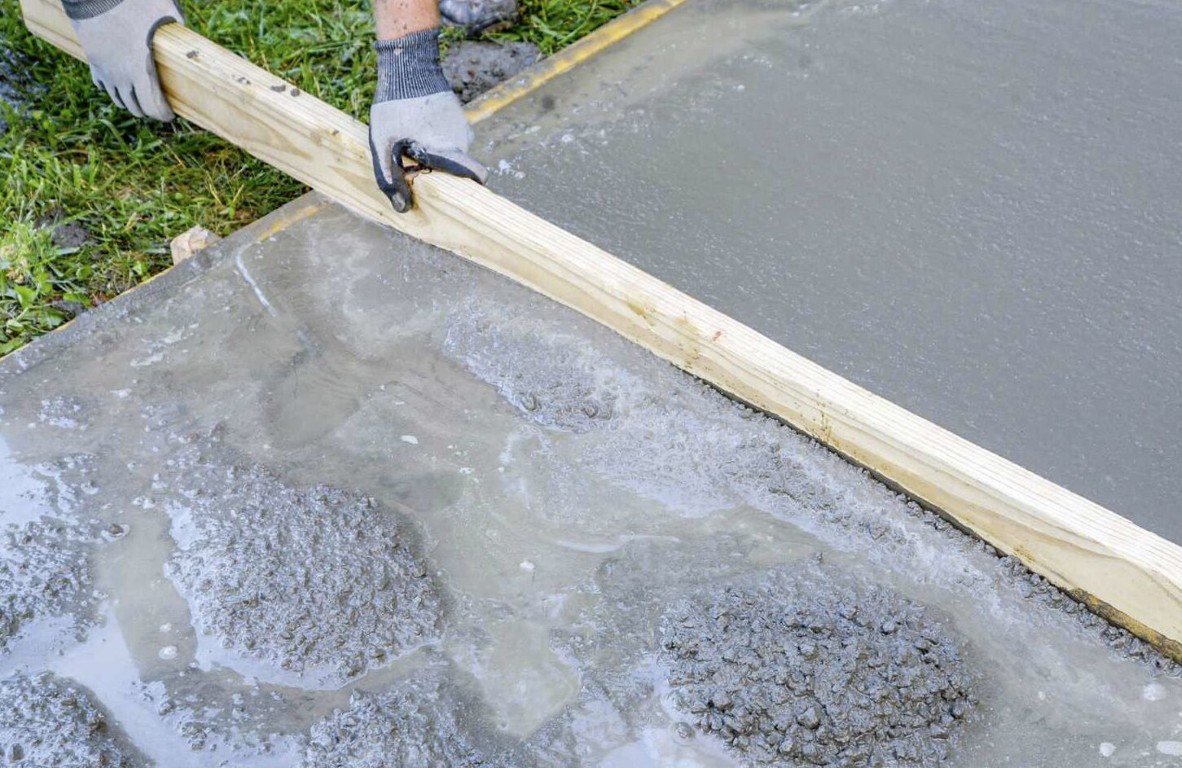
New concrete installation follows the same quality standards as any new construction project. We install proper base material, reinforcement, and formwork. Concrete thickness matches or exceeds the original based on current loads and use. We pay special attention to joints between new and existing concrete if doing partial replacement.
Finishing options let you choose how the new concrete looks. Match the existing finish for continuity. Upgrade to decorative concrete to improve appearance. Add color or texture to distinguish the new area. Replacement gives you the opportunity to upgrade not just repair. The new concrete should last thirty to forty years with proper installation and maintenance.
Timeline and Disruption
Concrete replacement takes several days. Removal usually completes in one day for residential projects. Site preparation and forming take another day. The concrete pour and finish happen in one day. Then you wait seven days before allowing vehicle traffic. The entire process spans about two weeks from start to when you can fully use the space.
We minimize disruption by working efficiently and cleaning up thoroughly. You will have some inconvenience during construction but the result is concrete that performs properly for decades. This is a much better outcome than dealing with ongoing problems from damaged concrete that needed replacement.